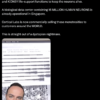
An Instagram video posted by Dave Asprey, an American health influencer and self-described “biohacker” with over 1.3 million followers, claims that people should never drink water without salt.
In the post, which has more than 1300 likes, Asprey says human cells are “essentially salt batteries”, and that depriving them of salt by drinking plain water will lead to fatigue and dehydration. The same caption promotes a brand of “toxin-free” salt and invites followers to comment so that he can send them a link and his discount code.

Sodium plays a critical role in maintaining bodily function. It is the main electrolyte in the fluid surrounding our cells, where it helps the body maintain fluid volume and regulate the electrical charge across cell membranes, according to an overview of electrolytes published by medical reference StatPearls. However, Asprey’s description of cells as “salt batteries” is not exactly accurate. Cells constantly pump sodium out through what is known as the sodium-potassium pump, keeping sodium levels high outside the cell and low inside it. It is potassium, not sodium, that is concentrated inside our cells.
More importantly, the body does not need salt in every glass of water to stay in balance. Blood sodium levels are determined by the ratio of salts to water in the body, and in healthy people, the kidneys continuously adjust how much water and sodium they pass out in urine to keep that ratio within a narrow range. A clinical reference on hyponatraemia, or abnormally low blood sodium, notes that a person typically has to drink more than 18 litres of water a day, or more than 750ml an hour, before the kidneys’ capacity to excrete it is overwhelmed.
There are situations in which electrolytes do matter. Replacing both fluids and salts is important during prolonged, heavy sweating, or after vomiting or diarrhoea, and hyponatraemia is a known risk for endurance athletes. But even in these cases, the main culprit is drinking too much water, and not a lack of salt in the water. An international consensus statement published in the Clinical Journal of Sport Medicine in 2015 identified overdrinking as the main cause of exercise-associated hyponatraemia, and advised athletes to drink when thirsty. A 2015 study of runners in a 161km ultramarathon also found no difference in the rate of sodium supplement intake between finishers who developed hyponatraemia and those who did not.
For most people, the bigger risk lies in the opposite direction. The World Health Organization (WHO) recommends that adults consume less than 2,000mg of sodium a day, equivalent to under 5g of salt or just under a teaspoon, and estimates that the average adult worldwide consumes more than double that amount. High sodium intake raises blood pressure and increases the risk of heart disease and stroke. In Singapore, the National Nutrition Survey 2025, released by the Ministry of Health (MOH) and the Health Promotion Board (HPB) in October 2026, found that 95% of residents exceeded the recommended daily sodium limit, with average intake rising from 3,480mg in 2019 to 4,000mg in 2025.
Nutrition experts also point out that the electrolytes most people need already come from food. Registered dietitian and nutrition professor Lisa Young told Fortune that there is no benefit to adding salt to water for everyday hydration, adding that it is “almost impossible not to get your sodium”. Doctors generally recommend plain water for daily hydration and for exercise lasting less than an hour, reserving electrolyte drinks for intense, prolonged activity.
This matters because adding salt to every glass of water would push sodium intake even higher for a population that already consumes twice the recommended limit, and could be harmful for people with high blood pressure, heart disease or kidney disease. Asprey also has a commercial interest in the advice, with his caption promoting a brand of salt which he has a discount code for and is most likely affiliated with. Those who sweat heavily from outdoor work, training or long-distance running, or who have a medical condition that affects their fluid or salt balance, should seek advice from a doctor rather than follow a blanket rule from social media.
Therefore, while it is true that sodium is essential and that replacing electrolytes can help during prolonged heavy sweating or illness, there is no evidence that drinking plain water deprives cells of salt or causes fatigue and dehydration in healthy people. Most people, including the vast majority of Singapore residents, already get more than enough sodium from their diet. We rate this claim as false.